

What does the Google Doodle mean today?
Think of it like a surprise note from your buddy saying, “Hey, something awesome happened today!” Google started them way back in 1998. The founders were off at a festival called Burning Man, so they stuck a little “We’re out of office” sign on the logo. Just a simple stick figure waving. Fast forward, and now Doodles pop up for holidays, birthdays of cool people, or big events like the Olympics.
They’re not just pretty pictures. Some wiggle or play games when you click. Like that time for the solar eclipse, stars twinkled right on your screen. Why do they do it? To make searching feel less like work and more like play. Plus, it spotlights places and stories you might not know. In a world zooming by, these little changes remind us to pause and say, “Wow, that’s neat!”
Today’s Star: Kenya Independence Day
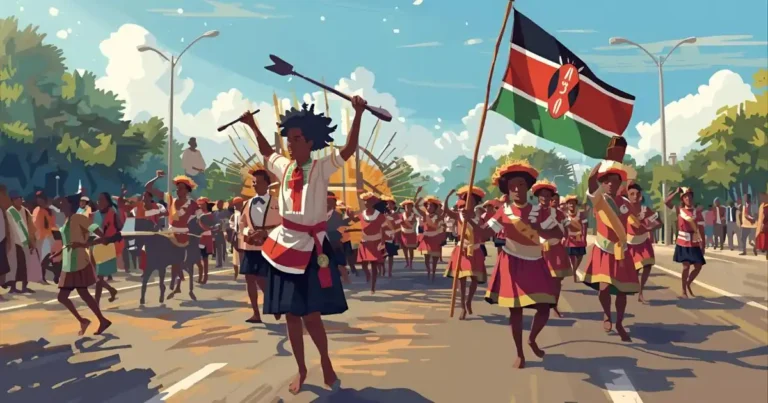
Now, zoom in on today. That colorful splash on Google? It’s for Kenya Independence Day, or Jamhuri Day as locals call it. “Jamhuri” is Swahili for “republic,” which sounds fancy but just means a country run by its own people. The Doodle pops with Kenya’s flag colors – black for the people, red for the blood spilled for freedom, green for the land, and white stripes like peace between them all.
Imagine scrolling for cat videos and bam – a parade of dancers and drummers greets you. Google says Kenyans mark the day with lively marches, award shows for heroes, and dances that get everyone moving. It’s December 12 because that’s when Kenya waved goodbye to British rule in 1963. No more being told what to do from far away. This year, it’s the 62nd bash, and the Doodle invites the whole world to join.
The Story of Kenya’s Freedom Ride
Let’s hop in a time machine, shall we? Picture Kenya in the 1950s. It’s a beautiful spot in East Africa with lions, mountains, and endless savannas. But folks there weren’t free. The British had come in the 1800s, taking land for farms and tea fields. Many Kenyans worked those lands but couldn’t call them home.
Things heated up with groups like the Mau Mau, brave fighters in the forests pushing back. It was tough – arrests, tough talks, and a long wait. Then, on December 12, 1963, the Union Jack came down, and up went Kenya’s flag. Jomo Kenyatta, a leader who’d been jailed for speaking out, stepped up as the first president. A year later, in 1964, they became a full republic, joining the United Nations like a grown-up nation.
What changed? Schools popped up for kids, roads linked villages, and farms grew more food for everyone. Britannica notes it sparked a “unity fire” that still burns today. From struggle to strength, it’s a tale that says, “Keep going, good things come.”
How Kenyans Party on Jamhuri Day
Ever been to a block party where the music won’t quit? That’s Jamhuri Day in Nairobi or Mombasa. Streets fill with brass bands blaring tunes, kids in school uniforms marching like tiny soldiers, and elders sharing stories under shady trees. The president gives speeches about dreams ahead, and fireworks light the night like stars falling to say hello.
Food? Oh boy. Tables groan with ugali – a soft corn mash like polenta – scooped with hands alongside nyama choma, grilled meats that smell like heaven. Don’t skip the samosas, those crispy triangles stuffed with spiced potatoes or beef. Families picnic in parks, waving flags and singing the anthem, “Ee Mungu Nguvu Yetu,” which means “O God of All Creation.” If you’re feeling the distance, here’s a quick fix: Whip up irio at home. Mash beans, corn, and potatoes – done in 20 minutes. Stream a parade video online. Suddenly, you’re there, heart pounding with the drums.
Stats show millions turn out each year, turning one day into a week of pride. It’s not just history; it’s a big family hug for the future.
This Doodle vs. Others: Cool Compares
So, how does Kenya’s flag-waving Doodle stack against the rest? Take America’s Fourth of July – fireworks explode in red, white, and blue, all about backyard barbecues and sparklers. Kenya’s got that energy but swaps bangs for beats, with wildlife hints like acacia trees in the art. Both scream “We’re free!” but one grills burgers, the other roasts goat over open fires.
Or peek at India’s Republic Day in January. Giant kites soar like birds, honoring their 1950 constitution. Similar pride parade, but Kenya adds East African flair – think tribal shields next to modern suits. Google’s Kenya pick feels fresh because it nods to Africa’s rise, unlike the usual Euro or American spotlights. Trends say these global Doodles spike searches by 20% on the day, pulling folks into new cultures.
If you’re picking a fave, Kenya’s wins for the dance invite. No sitting around – it’s made to move you.
Fun Facts to Wow Your Pals
Want icebreakers for dinner? These nuggets from Kenya’s big day will have friends leaning in:
- The Doodle team hides no single artist credit – it’s a group high-five from Google’s crew in different spots.
- Kenya’s flag eagle? It stands for freedom’s flight, borrowed from ancient shields warriors carried.
- Right after independence, Kenya grew its economy faster than almost anywhere – zooming from farms to factories in the 1970s, per World Bank tallies.
- Swahili shout “Harambee!” means “Let’s all pull together” – it’s on coins and hearts, reminding teamwork built the nation.
- Fun twist: Jomo Kenyatta’s name? It means “burning spear,” like a hero from old tales.
Drop one next time someone asks about the logo. Watch eyes widen!
Your Turn: Join the Kenya Cheer
We’ve laughed, learned, and maybe even tapped our feet. But stories shine brightest when you add yours. Why not start small? Greet a pal with “Jambo!” – that’s Swahili for “Hello!” Feels like sunshine in a word. Craving more? Hunt a simple samosa recipe online; fry ’em up and share with neighbors. Or print a mini flag – color it yourself for extra giggles.
These Doodles aren’t just pixels; they’re bridges to places like Kenya’s dusty roads and salty coast. They whisper, “The world’s bigger than your street.” So, today, let this one pull you closer to it. Click the Doodle, read a bit more, or just smile at the colors. What’s one thing you’ll try? Tell me in the comments – let’s keep the party going!
FAQs What does the Google Doodle mean today
Why is December 12 special for Kenya?
It’s Jamhuri Day, when Kenya broke free from British control on December 12, 1963, and stepped into its own as a nation. The next year, 1964, they became a republic, full of hope and plans. Today, it’s parades down wide streets, speeches from leaders about tomorrow, and families gathering with flags flying high. Dances echo old warrior steps mixed with new beats, while kids learn songs of pride. Food stalls sizzle with treats, turning the day into a joyful reminder of hard-won peace and progress.
What does the Doodle look like today?
Bright bursts of Kenya’s flag colors – black, red, green, and white – swirl around hints of parades and dancers in motion. It’s simple yet lively, like a snapshot of street celebrations. Click it, and Google shares a note on the nation’s journey, with links to more on independence history. No games this time, but the art invites you to imagine the rhythm of drums and cheers filling the air. Perfect for sparking a family chat over breakfast.
Who made Kenya independent?
Heroes like Jomo Kenyatta led the charge, enduring jail for rallying people against unfair rules. He became the first president in 1963, guiding the new nation with steady hands. Others, from forest fighters to quiet organizers, pulled together – their “Harambee” spirit won the day. It’s a team story of courage, turning whispers of change into a loud roar for freedom that still inspires kids in schools today.
How do Kenyans celebrate?
Streets buzz with brass bands and marchers in crisp uniforms, while official spots hand out awards to community stars. Afternoons mean picnics with ugali and grilled meats, shared under shady trees as elders tell tales. Evenings light up with fireworks and folk dances – Maasai jumps meet modern twists. Families wave flags, sing anthems, and dream big, making one day feel like a warm embrace for the whole country.
Are there games in this Doodle?
Not today – this one’s a static cheer with flag waves and party scenes, focusing on the heart of the holiday. But Google mixes it up; past Doodles had puzzles for things like holidays or inventors. If you crave play, check their library for interactive ones on pandas or pianos. It’s all about fitting the mood – quiet nod for a thoughtful day like this.
When did Google start Doodles?
Back in 1998, during a founders’ trip to Burning Man festival. They doodled a stick figure on the logo saying “Out exploring!” to let users know. What began as a fun note grew into thousands of artsy tributes worldwide, from frog jumps for scientists to blooming flowers for springs. Now, they touch billions, blending tech with tales in ways that make every click a little brighter.